Physical AI: What It Is and What It Is Not
A clear and practical article about artificial intelligence for a professional audience.
Tags
Quick summary
A clear and practical article about artificial intelligence for a professional audience.
Physical AI: What It Is and What It Is Not
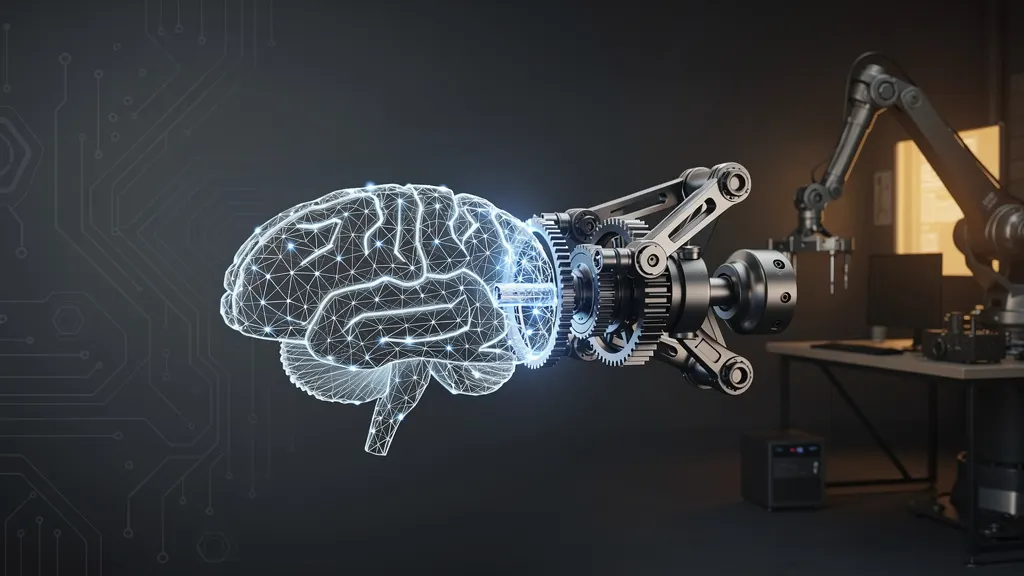
Physical AI is the branch of artificial intelligence concerned with systems that sense, reason about, and act upon the real world. Unlike models that live entirely inside GPUs predicting the next token or pixel, Physical AI closes the loop between perception and motion. It powers warehouse robots navigating around humans, drones compensating for sudden wind gusts, and robotic arms adjusting grip force based on tactile feedback. As the broader machine learning community—including discussions on
Additional implementation method
To turn the idea into a reliable habit, start with a one-week limited experiment. Choose one task only, such as summarizing research, preparing a first draft, or comparing several options. Track the time saved, the corrections required, and whether the final output was easier to review than a fully manual process.
A short checklist also helps: Is the source reliable? Do any numbers need verification? Is sensitive data involved? Can the result be explained clearly to another person? This keeps AI useful without giving it too much authority.
Additional implementation method
To turn the idea into a reliable habit, start with a one-week limited experiment. Choose one task only, such as summarizing research, preparing a first draft, or comparing several options. Track the time saved, the corrections required, and whether the final output was easier to review than a fully manual process.
A short checklist also helps: Is the source reliable? Do any numbers need verification? Is sensitive data involved? Can the result be explained clearly to another person? This keeps AI useful without giving it too much authority.
Additional implementation method
To turn the idea into a reliable habit, start with a one-week limited experiment. Choose one task only, such as summarizing research, preparing a first draft, or comparing several options. Track the time saved, the corrections required, and whether the final output was easier to review than a fully manual process.
A short checklist also helps: Is the source reliable? Do any numbers need verification? Is sensitive data involved? Can the result be explained clearly to another person? This keeps AI useful without giving it too much authority.
Additional implementation method
To turn the idea into a reliable habit, start with a one-week limited experiment. Choose one task only, such as summarizing research, preparing a first draft, or comparing several options. Track the time saved, the corrections required, and whether the final output was easier to review than a fully manual process.
A short checklist also helps: Is the source reliable? Do any numbers need verification? Is sensitive data involved? Can the result be explained clearly to another person? This keeps AI useful without giving it too much authority.
Additional implementation method
To turn the idea into a reliable habit, start with a one-week limited experiment. Choose one task only, such as summarizing research, preparing a first draft, or comparing several options. Track the time saved, the corrections required, and whether the final output was easier to review than a fully manual process.
A short checklist also helps: Is the source reliable? Do any numbers need verification? Is sensitive data involved? Can the result be explained clearly to another person? This keeps AI useful without giving it too much authority.
Additional implementation method
To turn the idea into a reliable habit, start with a one-week limited experiment. Choose one task only, such as summarizing research, preparing a first draft, or comparing several options. Track the time saved, the corrections required, and whether the final output was easier to review than a fully manual process.
A short checklist also helps: Is the source reliable? Do any numbers need verification? Is sensitive data involved? Can the result be explained clearly to another person? This keeps AI useful without giving it too much authority.
Additional implementation method
To turn the idea into a reliable habit, start with a one-week limited experiment. Choose one task only, such as summarizing research, preparing a first draft, or comparing several options. Track the time saved, the corrections required, and whether the final output was easier to review than a fully manual process.
A short checklist also helps: Is the source reliable? Do any numbers need verification? Is sensitive data involved? Can the result be explained clearly to another person? This keeps AI useful without giving it too much authority.
Additional implementation method
To turn the idea into a reliable habit, start with a one-week limited experiment. Choose one task only, such as summarizing research, preparing a first draft, or comparing several options. Track the time saved, the corrections required, and whether the final output was easier to review than a fully manual process.
A short checklist also helps: Is the source reliable? Do any numbers need verification? Is sensitive data involved? Can the result be explained clearly to another person? This keeps AI useful without giving it too much authority.