Google Fitbit Edge: On Shelves Now
Google has launched the Fitbit Edge, featuring a large, bright display and physical side buttons. Designed for all-day comfort, this tracker aims to fit seamlessly into both workday and workout routines. The device is now available for purchase.
Tags
Quick summary
Google has launched the Fitbit Edge, featuring a large, bright display and physical side buttons. Designed for all-day comfort, this tracker aims to fit seamlessly into both workday and workout routines. The device is now available for purchase.
Google Fitbit Edge: On Shelves Now
Google has officially launched its latest wearable technology, the Google Fitbit Edge, making the device available for purchase starting October 30, 2026. According to the Google AI Blog, this new iteration represents a significant evolution in the company's approach to fitness tracking, prioritizing visibility and tactile interaction in a market often dominated by small screens and touch-only interfaces. The announcement confirms that the device is now accessible to consumers looking to upgrade their daily health monitoring tools.
Design and Display Specifications
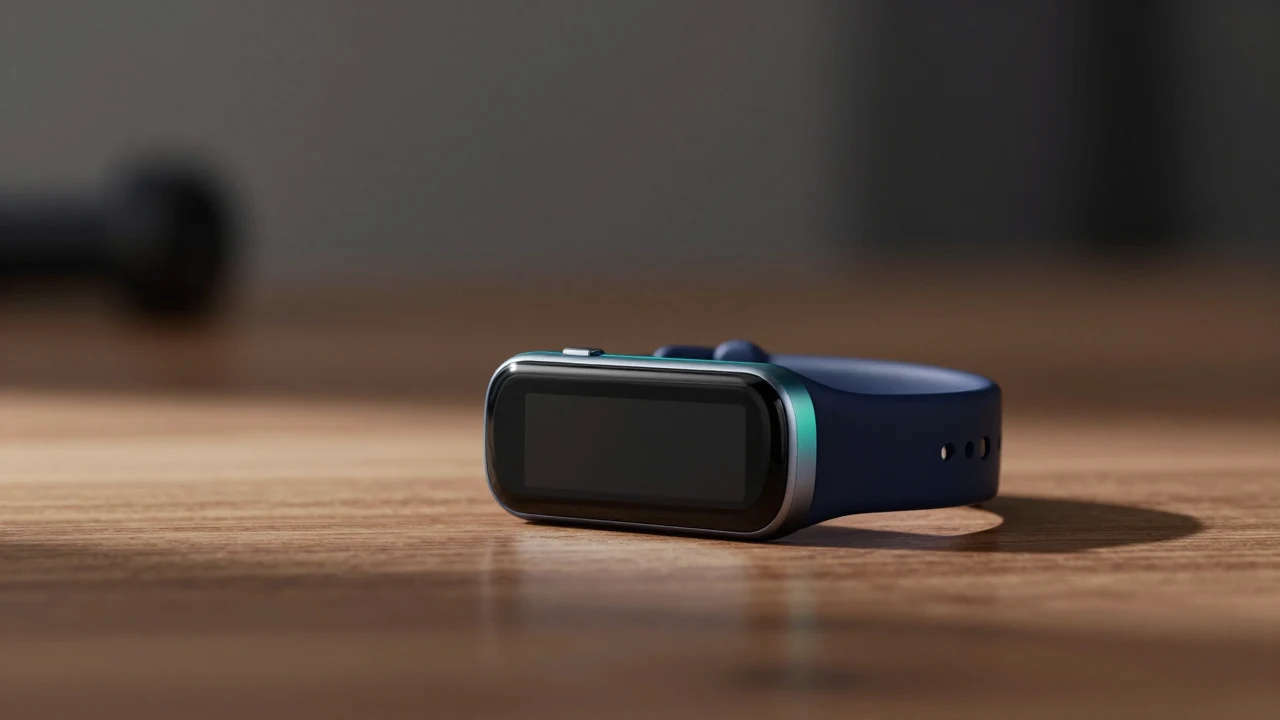
The primary differentiator for the Google Fitbit Edge is its commitment to screen real estate and brightness. Google describes the device as featuring "the largest, brightest tracker display" in its lineup. This design choice addresses common user complaints regarding readability in various lighting conditions, from dimly lit gym environments to bright outdoor settings.
The new screen design is not merely an aesthetic update but a functional enhancement aimed at improving user experience. By increasing the display size and luminosity, the device ensures that metrics such as heart rate, step count, and notifications remain legible without requiring the user to squint or adjust their viewing angle. This focus on "at-a-glance readability" suggests a design philosophy centered on reducing the friction of checking data, allowing users to glance at their wrist and immediately understand their current status.
Furthermore, the device incorporates a new screen design that complements the larger display. While specific technical details regarding pixel density or refresh rates are not detailed in the primary announcement, the emphasis on brightness and size indicates a move toward a more immersive viewing experience for the user.
Tactile Control and Ergonomics
In addition to visual improvements, the Google Fitbit Edge introduces physical side buttons for easier controls. This feature marks a departure from the purely touch-based interfaces found in many modern smartwatches and fitness trackers. Physical buttons provide a reliable method for navigating menus, adjusting settings, or silencing alarms, even when the device is worn under clothing or when the screen is off.
The inclusion of these buttons enhances the device's utility during workouts where touchscreens can be difficult to operate due to sweat or gloves. Google highlights this as a key component of the device's ability to fit into a user's lifestyle "from workday to workout." The tactile feedback provided by physical buttons offers a sense of precision and control that digital gestures sometimes lack, particularly in high-motion scenarios.
Comfort and Aesthetic Versatility
Google emphasizes that the Google Fitbit Edge is "sculpted to contour to your wrist." This ergonomic design is intended to provide "all-day comfort," ensuring that the device does not become a source of irritation during extended wear. The curvature of the device appears to be a critical factor in its usability, allowing it to sit flush against the skin and move naturally with the wearer's arm.
Beyond functionality, the device is marketed with an emphasis on style. Google notes the availability of "stylish accessories," suggesting that the hardware is designed to be compatible with a variety of bands and cases. This versatility allows users to customize the look of the device to match their personal aesthetic, whether for professional settings or athletic activities. The combination of a comfortable form factor and customizable accessories positions the Google Fitbit Edge as a wearable that can seamlessly transition between different environments.
Integration and Lifestyle Fit
The device is positioned as a comprehensive tool for modern living, designed to integrate smoothly into a user's daily routine. By combining a large, bright display with physical controls and ergonomic comfort, Google aims to create a fitness tracker that is both informative and unobtrusive. The ability to access information quickly and control the device easily supports a lifestyle that demands constant connectivity and health awareness without sacrificing comfort.
The launch of the Google Fitbit Edge signals Google's continued investment in wearable technology, leveraging its expertise in AI and health data to create a device that serves as a central hub for personal wellness. As the device hits shelves, it offers consumers a new option for tracking their fitness goals with a focus on usability and design.
Conclusion
The Google Fitbit Edge represents a strategic update to the fitness tracker category, focusing on display quality and tactile interaction. With its largest and brightest display to date, along with new physical side buttons and an ergonomic design, the device addresses key user needs for readability and control. Available as of October 30, 2026, the Google Fitbit Edge is now on shelves, offering users a robust tool for managing their health and fitness with style and comfort.
For those interested in learning more about the device or purchasing it, Google directs users to their official product pages. The launch underscores Google's commitment to refining wearable technology to better serve the diverse needs of its users.
Source: Google AI Blog, "Google Fitbit Edge: On shelves now," https://blog.google/products-and-platforms/devices/fitbit/google-fitbit-edge-on-shelves-now